The accentors are all in a single genus Prunella. All but the Dunnock and the Japanese Accentor are inhabitants of the mountainous regions of Europe and Asia; these two also occur in lowland areas. This genus is not strongly migratory, but they will leave the coldest parts of their range in winter, and make altitudinal movements. These are small, fairly drab species superficially similar, but unrelated to, sparrows; they are generally regarded as being related to the thrushes or the warblers. They are 14 to 18 centimetres in length, and weigh between 25 and 35 grams. Accentors have thin sharp bills, reflecting their diet of ground-dwelling insects in summer, augmented with seeds and berries in winter. They may also swallow grit and sand to help their stomach break up these seeds.
Accentors spend the majority of their time in the undergrowth and even when flushed, stay low to the ground until reaching cover. Accentors may have two to three broods a year. Courtship consists of a great deal of song from the males, which may include short lark-like song flights to attract a mate. In most species, the male and female share in the nest making. They build neat cup nests and lay about 4 unspotted green or blue eggs.
Genus Prunella Found: mainly Asia, also Europe
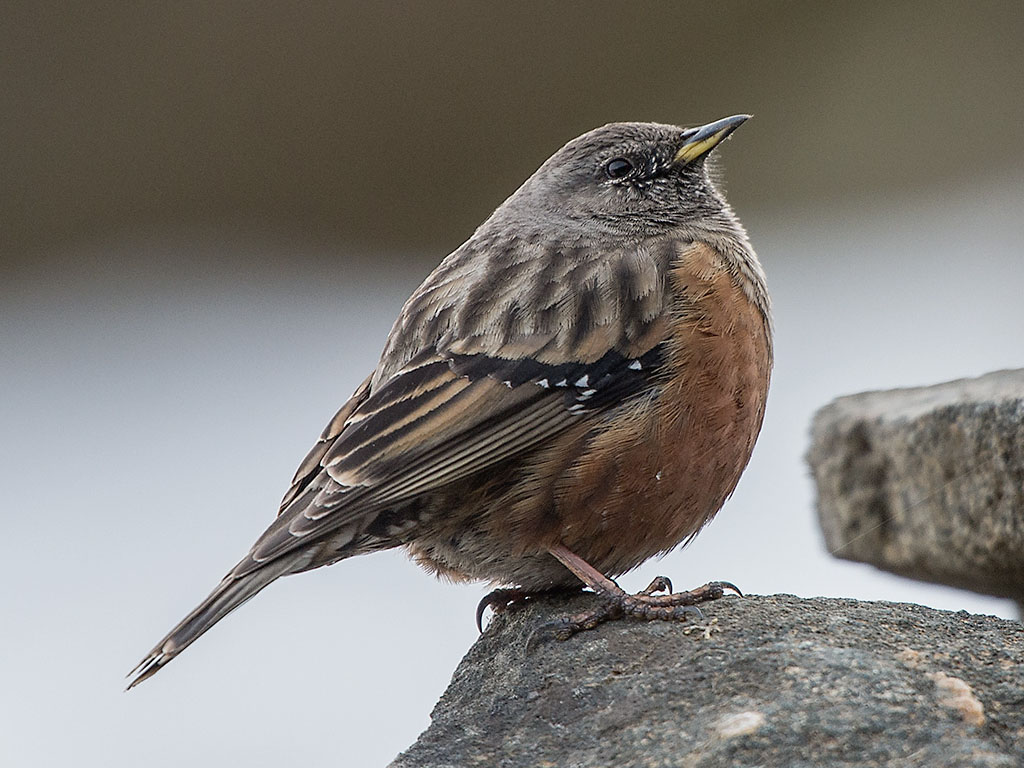
Accentor,_Alpine Prunella collaris Found: Europe, Asia
The Alpine Accentor has streaked brown upperparts; gray head; red-brown spotting on underparts.



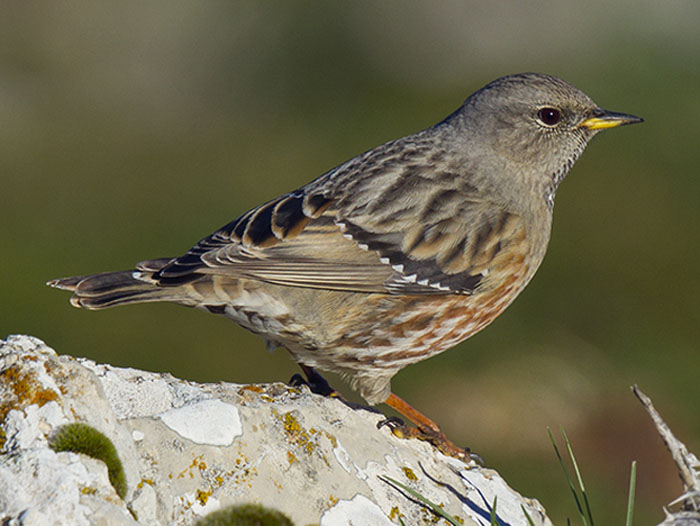
Accentor,_Black-throated Prunella atrogularis Found: Asia
The Black-throated Accentor has black-streaked brown back; black throat, crown, face patch; white supercilium; orange-tinged breast; white belly with orange stripes.


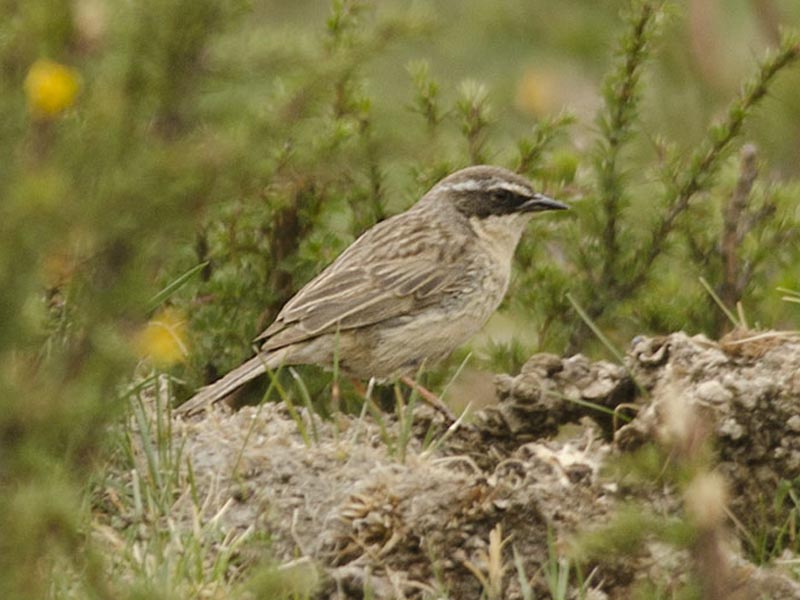
Accentor,_Brown Prunella fulvescens Found: Asia
The Brown Accentor has brown upperparts; white supercilium; black lores; buffy underparts.

.jpg)


Accentor,_Himalayan also Altai Accentor Prunella himalayana Found: Asia
The Altai Accentor has grayish-brown upperparts with black streaks; gray head; rufous underparts with much white showing; belly mainly white.


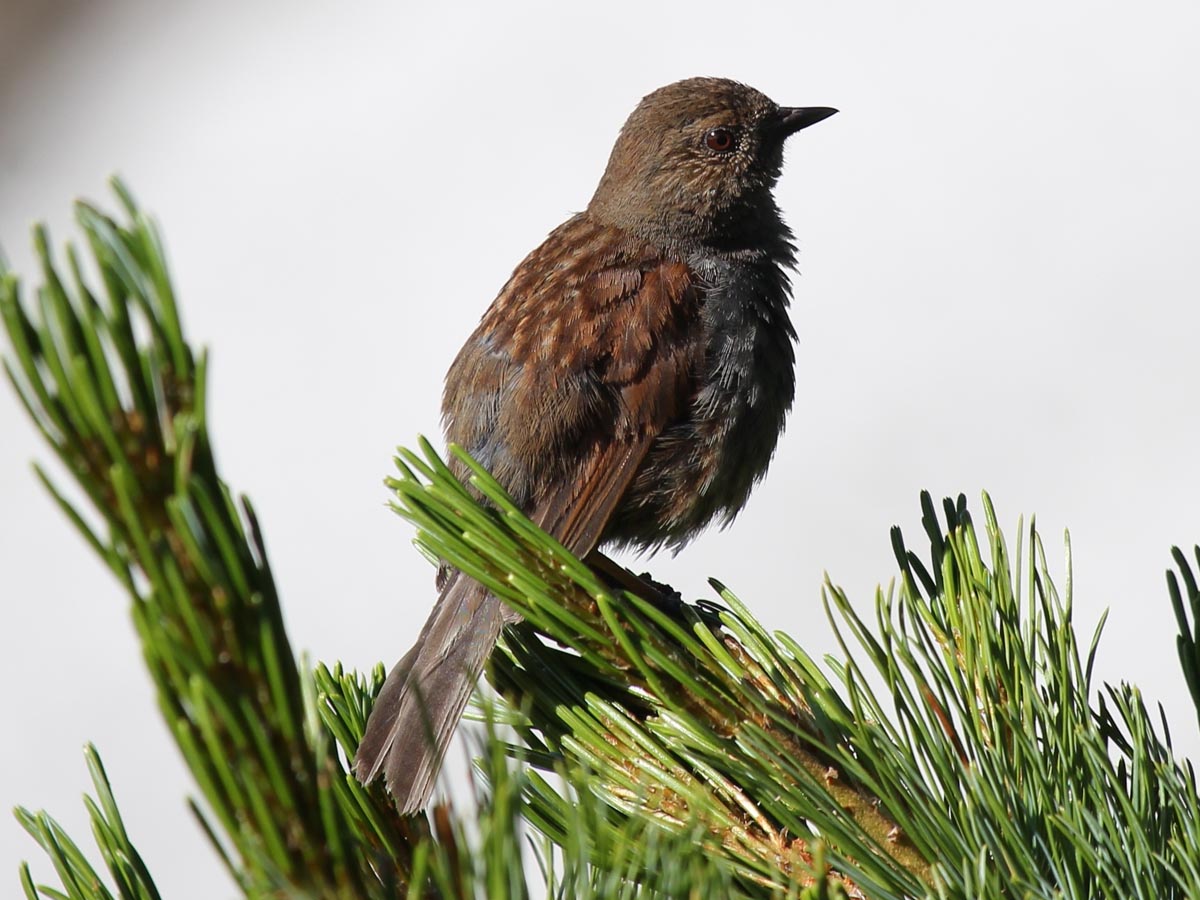
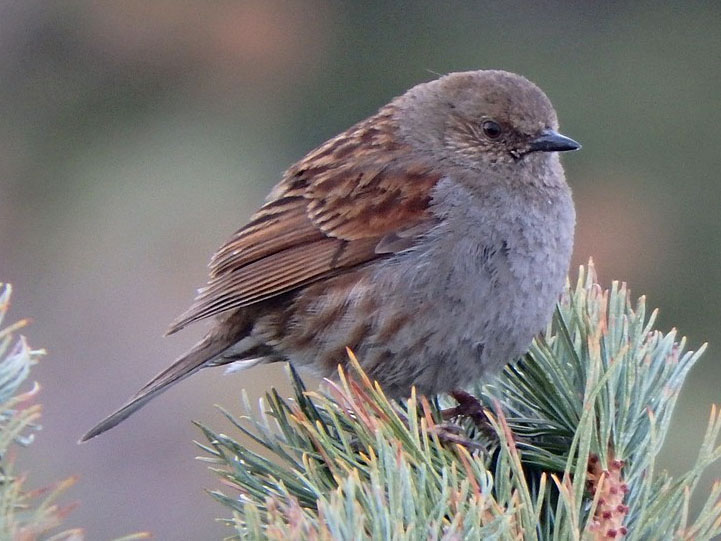
Accentor,_Japanese Prunella rubida Found: Japan, Russia
Image by: 1, 2) Alpsdake 3) watch-bird_Blogspot 3, 4, 5) Lin_Sun_Fong - Japan




Accentor,_Maroon-backed Prunella immaculata Found: Bhutan, China, India, Myanmar, Nepal
The Maroon-backed Accentor unstreaked brown upperparts; unstreaked gray upper-mantle; underparts; darker gray head; black lores; yellow eyes.


Accentor,_Mongolian also Kozlov's Accentor Prunella koslowi Found: northern China, Mongolia
The Mongolian Accentor has light brown upperparts; streaking on back; plain brown head; buffy underparts.

Accentor,_Radde's Prunella ocularis Found: Asia
Image by: 1) Werner_Witte - Turkey 2) Vince_Smith - Turkey 3) Sergei_Drovetski - Armenia


1, 2) Female 3) Male


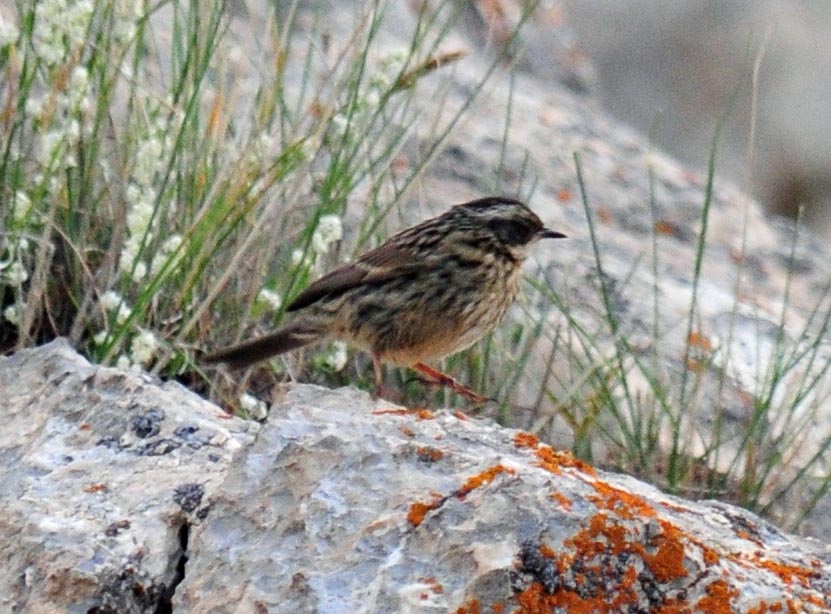
Accentor,_Robin Prunella rubeculoides Found: Asia
The Robin Accentor upperparts are mainly brown streaked with black; gray head, neck; reddish-orange upper-breast; pale buff belly.


.jpg)


Accentor,_Rufous-breasted Prunella strophiata Found: Asia
The Rufous-breasted Accentro has white supercilium; reddish-orange upper-breast; pale buff belly.


Accentor,_Siberian Prunella montanella Found: Asia
The Siberian Accentor has streaked reddish-brown upperparts; dark crown, cheeks; buff supercilium; yellowish rusty-buff underparts.


Accentor,_Yemen or Arabian Accentor Prunella fagani Found: Yemen
The Yemen Accentor brown upperparts with black streaks; bold white supercilium;


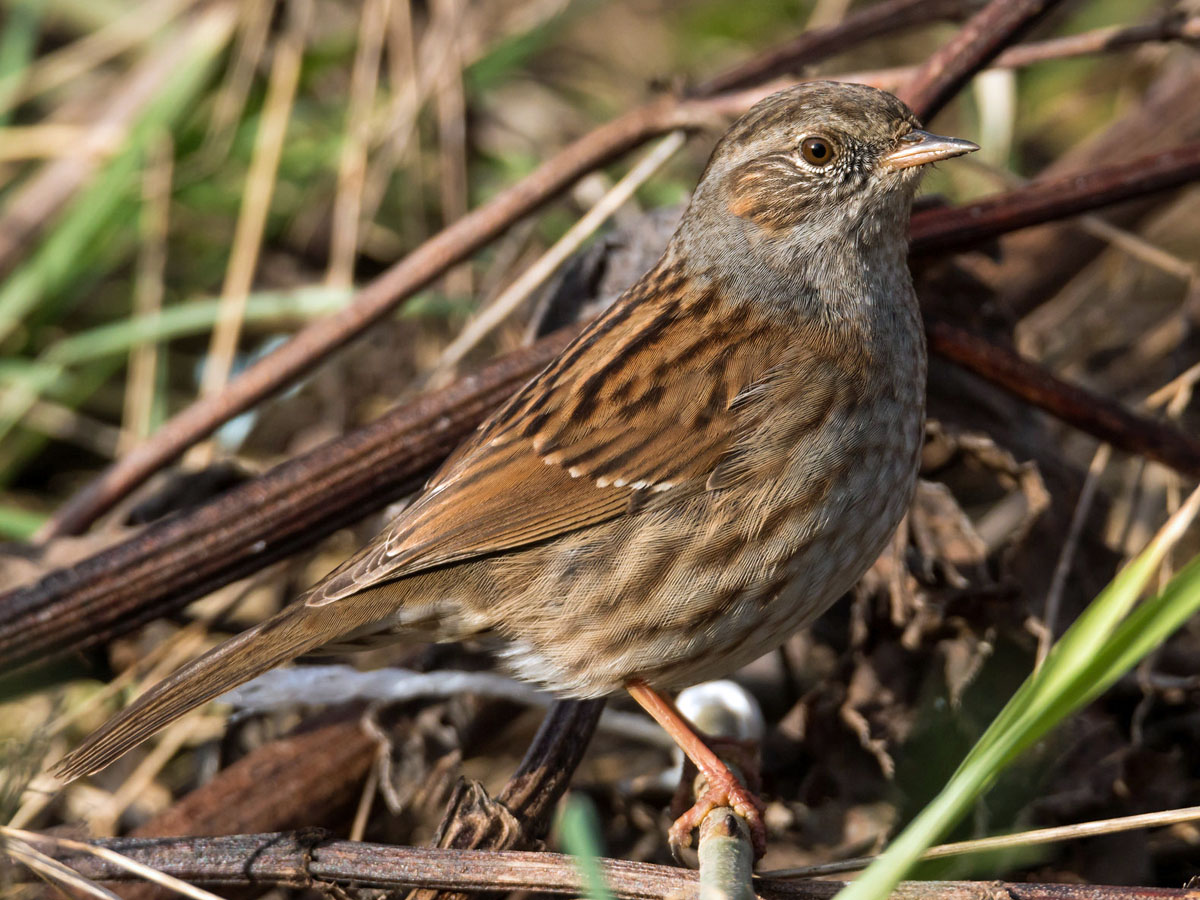
Dunnock also Hedge Accentor Prunella modularis Found: Europe, Asia
The Dunnock has streaked sparrow-like back; gray head; brownish underparts.



The dippers are all in a single genus Cinclus. They are named for the dipping or bobbing motion. They are the only passerines that regularly swim underwater. They like to swim in moving water, particularly in streams. As with other birds that spend large amounts of time underwater, they have more red blood cells to aid in oxygen storage. All are stocky, with short wings and tails.
Genus Cinclus
Dipper,_American Cinclus mexicanus Found: western North America to Panama
The American Dipper has gray plumage; short neck, tail; large head.


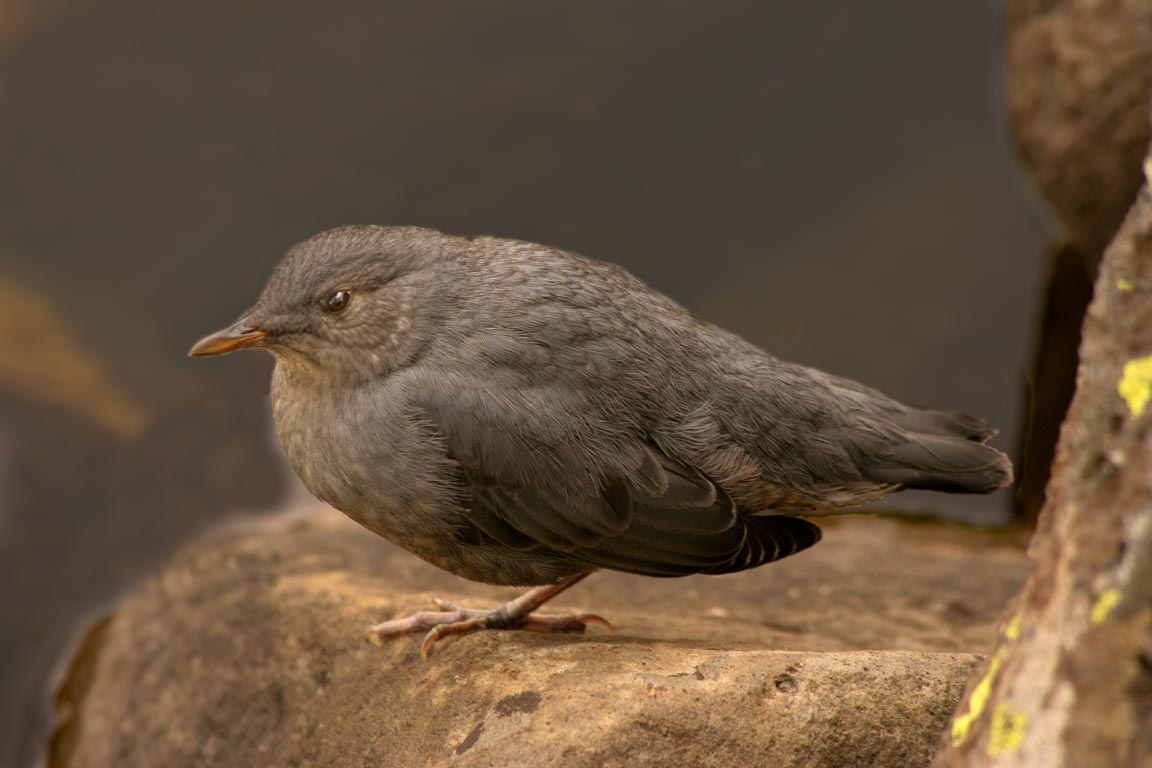
Dipper,_Brown also Asian Dipper Cinclus pallasii Found: mountains of southern and central Asia
The Brown Dipper has brown plumage.
.JPG)


Dipper,_Rufous-throated Cinclus schulzi Found: Argentina, Bolivia
The Rufous-throated Dipper has mainly gray plumage; rufous throat, upper breast; dark gray bill.


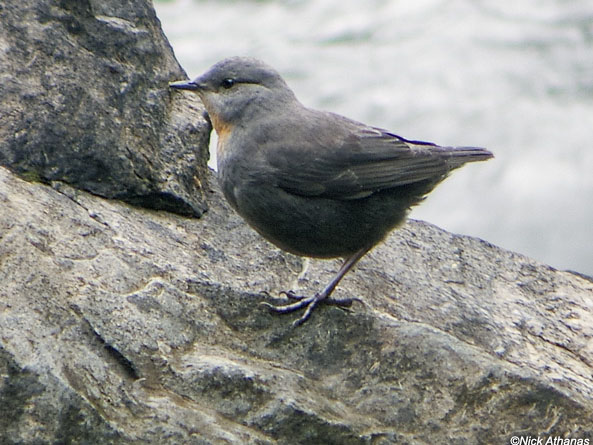
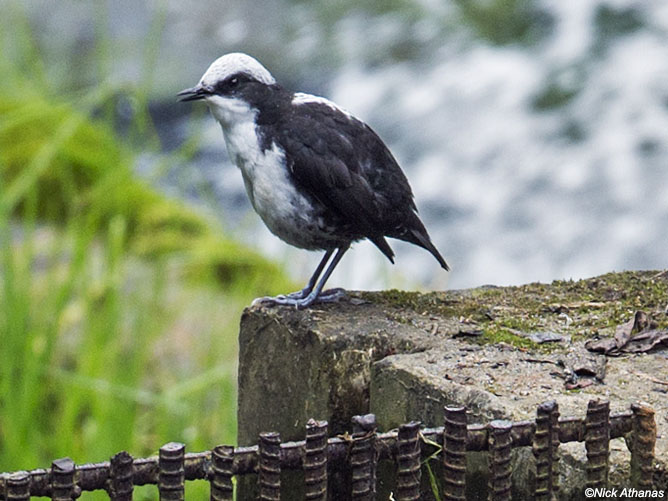
Dipper,_White-capped Cinclus leucocephalus Found: South America
The White-capped Dipper has dark brown upperparts; white head, throat.
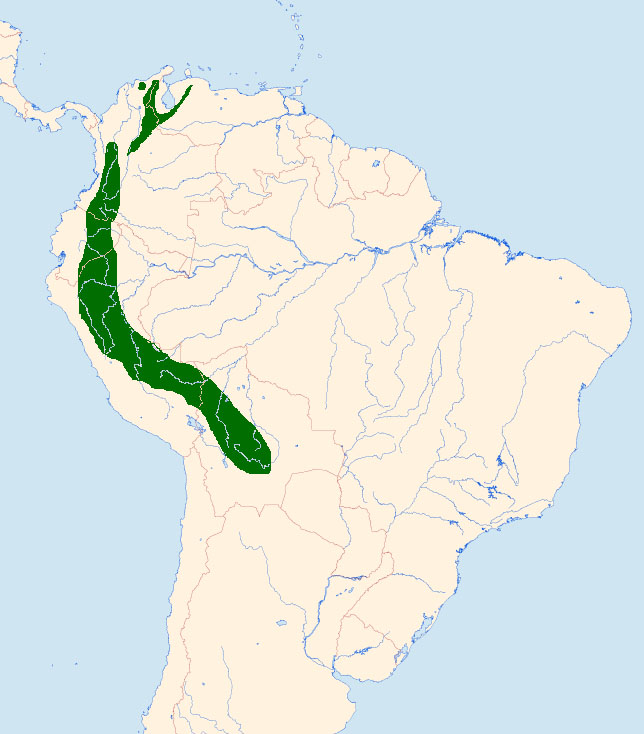


Dipper,_White-throated also European Dipper Cinclus cinclus Found: Europe, Asia
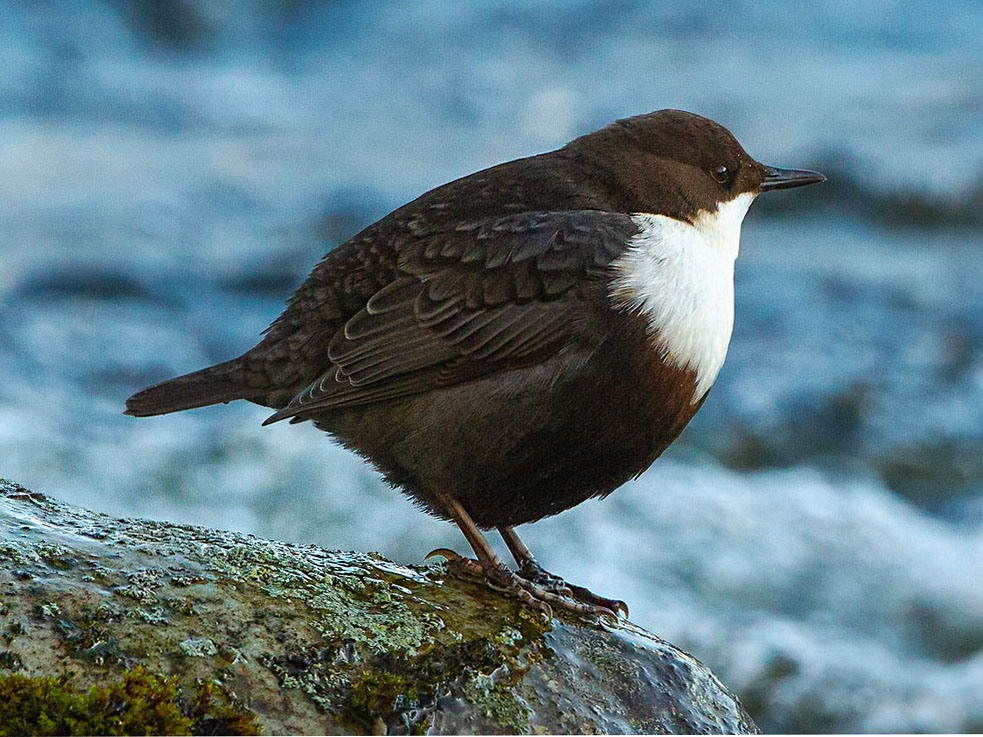
The White-throated Dipper has slate-gray upperparts; brown head, wings, tail; white throat, upper-breast, legs, eyes.